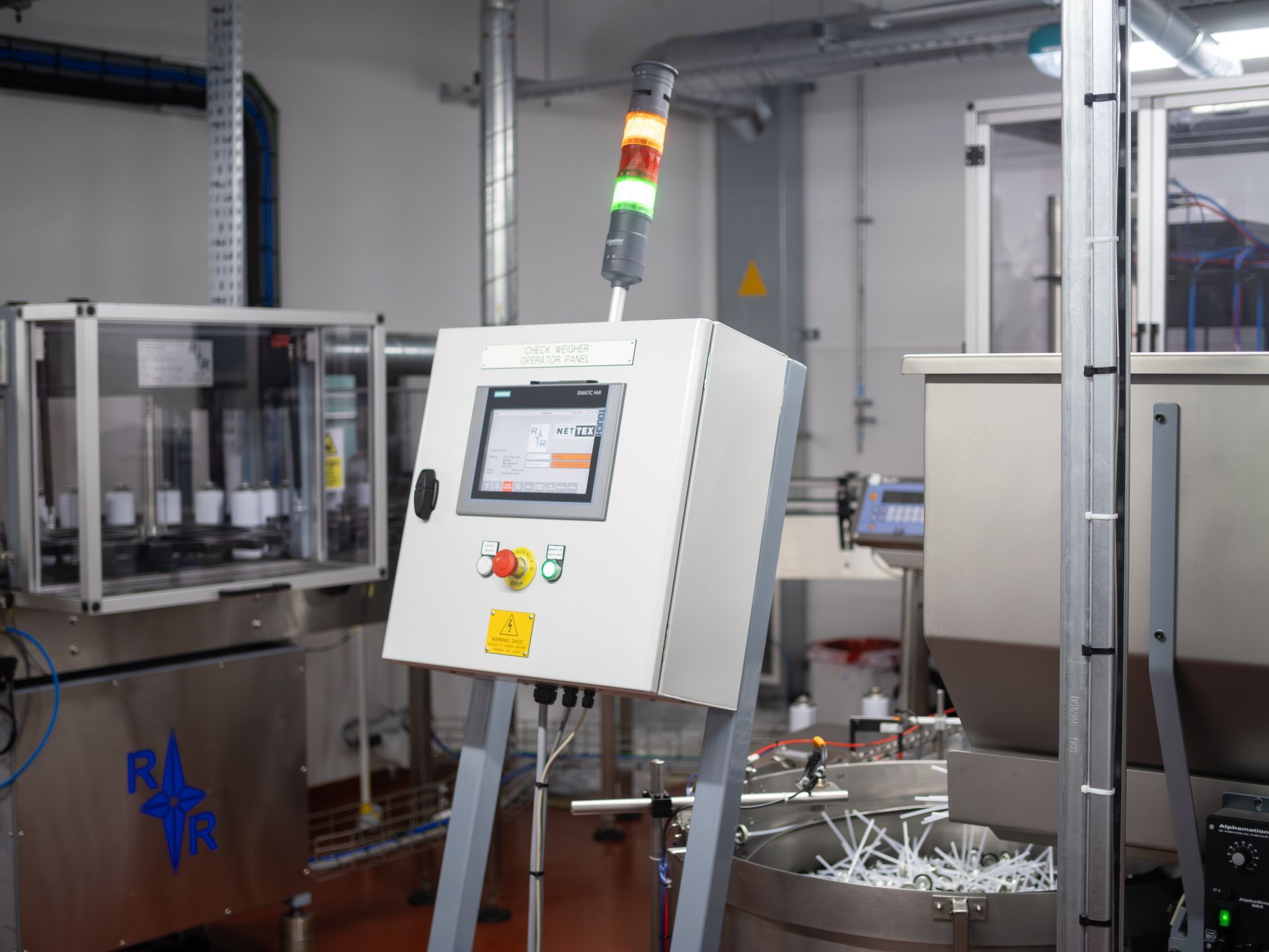
What Is Panel Testing and Factory Acceptance Testing?
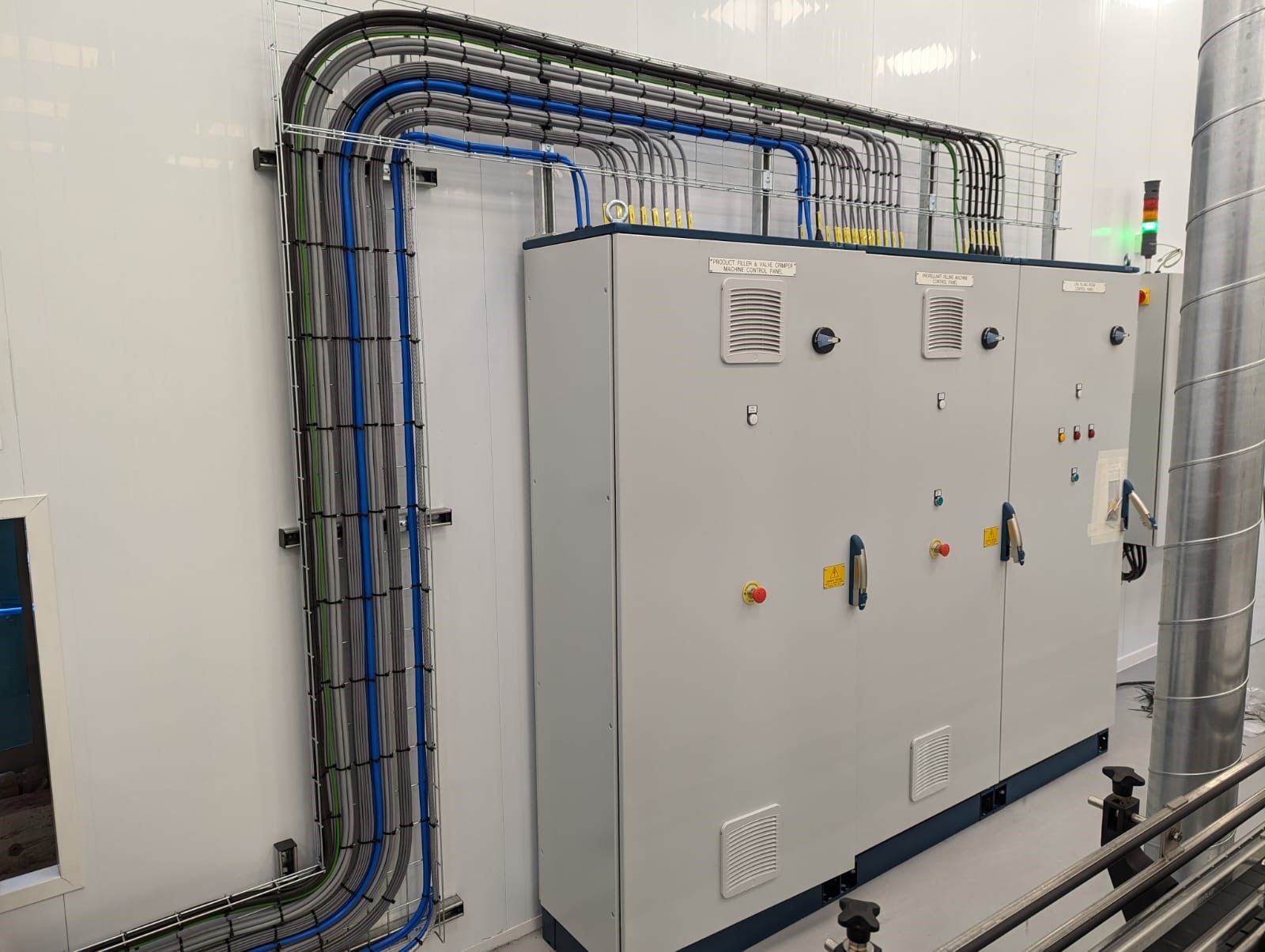
An electrical control panel may contain hundreds of wires, terminals, protective devices, relays, drives and control components. Before that panel arrives on site and starts controlling real machinery, it makes sense to establish that everything has been assembled correctly and behaves as expected.
This is where panel testing and Factory Acceptance Testing, usually shortened to FAT, come in. Although the terms are sometimes used interchangeably, they describe different parts of the checking process.
What Is Control Panel Testing?
Panel testing is the series of checks carried out after a control panel has been assembled.
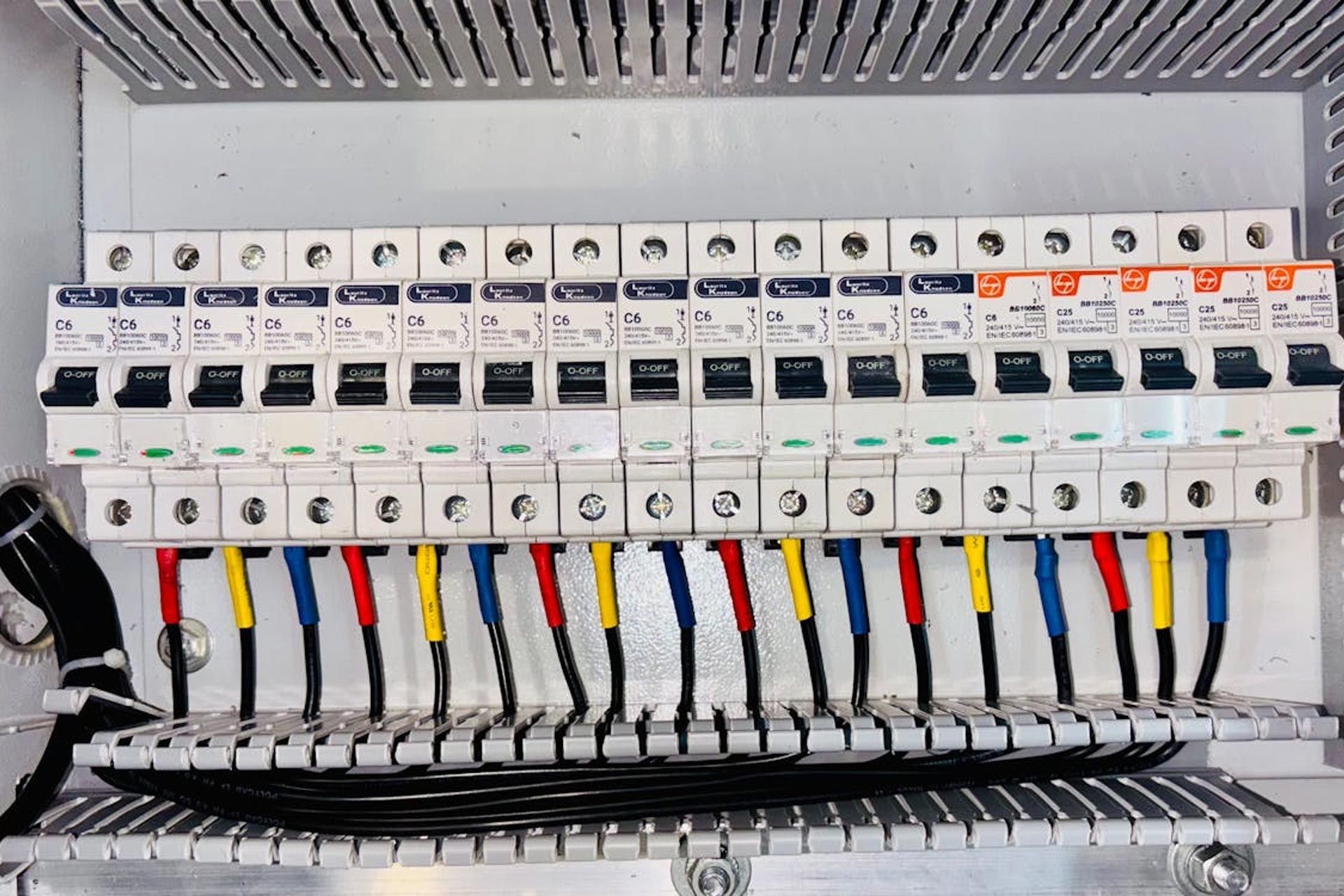
At the most basic level, the control panel builder needs to establish that what has been manufactured matches the approved electrical drawings. Components should be correctly installed, terminals properly identified and wiring connected to the intended locations.
Electrical checks may also include protective conductor continuity, insulation testing and verification of circuits and connections, depending on the type of assembly.
For applicable low-voltage switchgear and control gear assemblies, BS EN IEC 61439 includes requirements covering design and routine verification. BEAMA's current guidance explains that the standard addresses both forms of verification and the responsibilities involved in demonstrating that an assembly meets its requirements.
At S M Control, our Motor Control Centres are tested to comply with industry standards and built to BS EN 61439.
What Does Functional Testing Check?
Electrical testing can establish that circuits have been assembled correctly, but an automation panel also needs to perform the job it was designed to do. Functional testing looks at what happens when switches, sensors and other inputs change state.
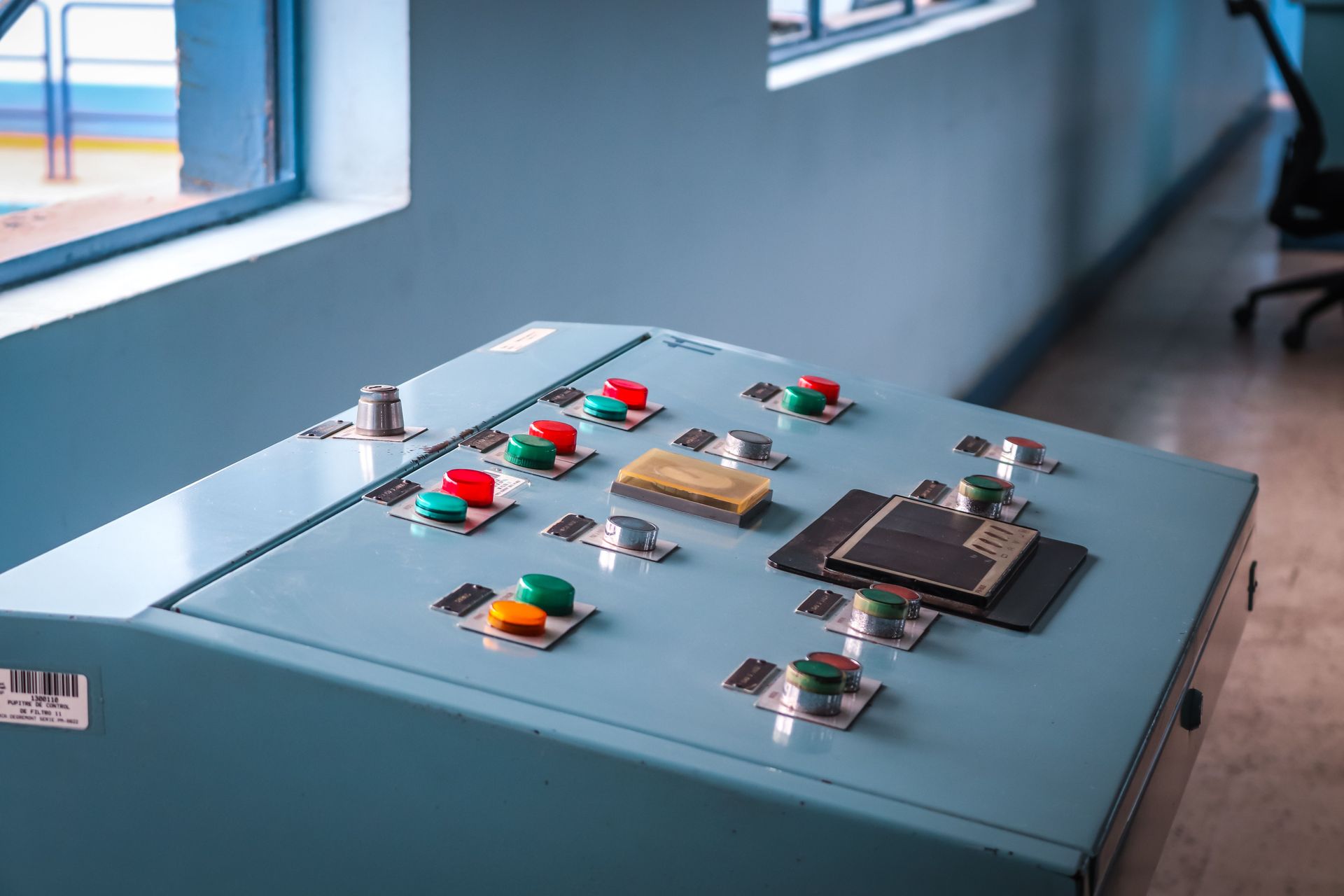
For example, if a pump should stop when a tank reaches its high-level limit, the test can simulate that signal and check whether the control system responds correctly. Emergency stops, alarms, motor commands, interlocks and operating modes may also be tested.
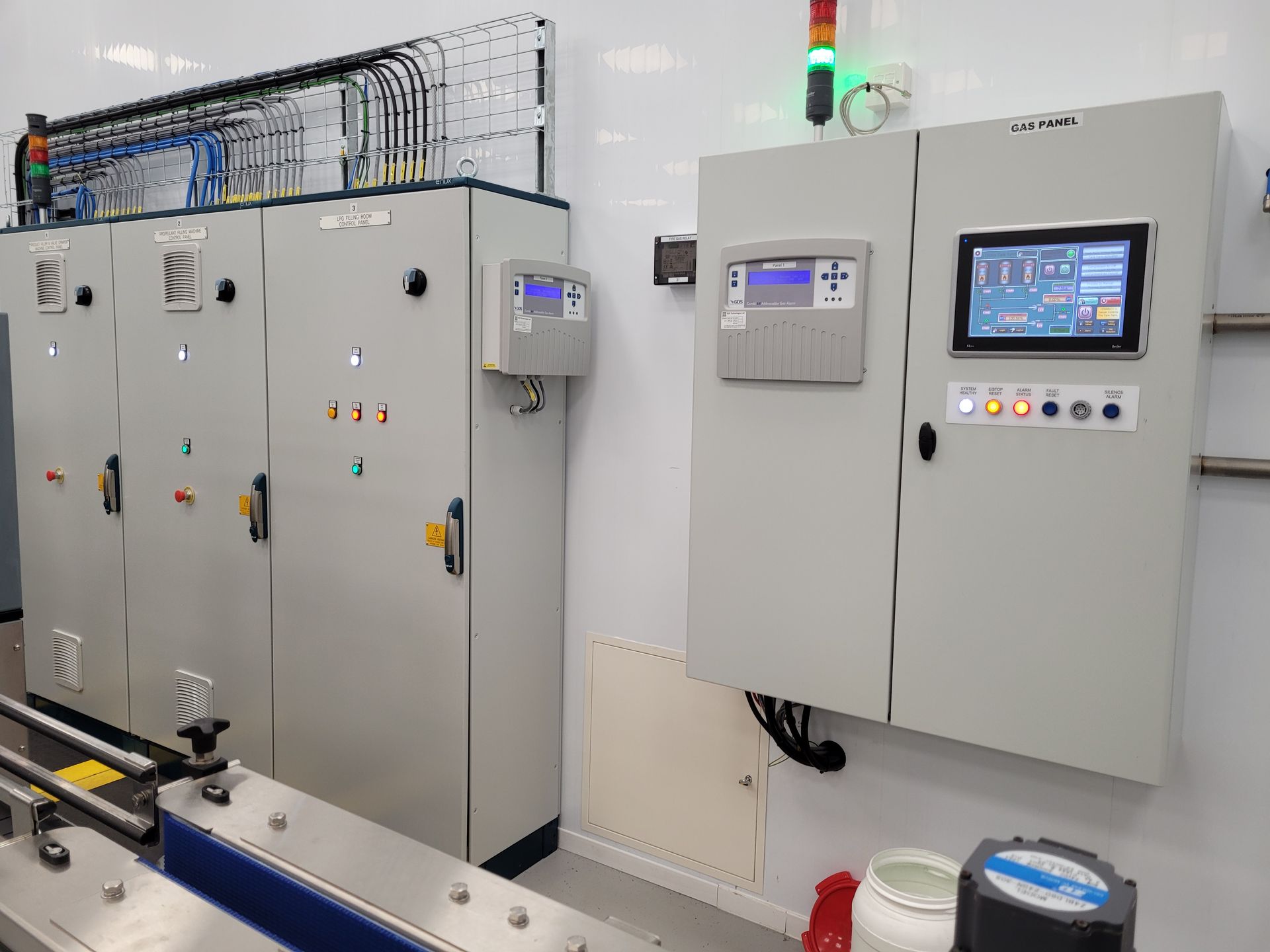
Where a PLC and HMI are involved, engineers can check whether information appears correctly on the operator screen and whether commands reach the intended equipment.
Good control panel manufacturers normally carry out as much of this testing as reasonably possible before the equipment reaches site. S M Control uses rigorous in-house testing to reduce commissioning time after installation.
What Is a Factory Acceptance Test?
A Factory Acceptance Test is a more formal stage where the completed system is assessed against an agreed specification before it is delivered to site.
The customer or its nominated representative will often attend and witness the tests.
A FAT therefore goes beyond simply demonstrating that a panel switches on. The tests should relate back to what the system was originally required to do.
Siemens guidance describes FAT as customer witness testing undertaken at the supplier's works before delivery. It explains that testing is typically carried out against the Functional Design Specification and should cover areas such as normal operation, alarms, limits and boundary conditions.
S M Control follows a similar process, compiling a System Test Specification, carrying out in-house testing and then completing Factory Acceptance Tests with the client as part of our systems integration process.
What Happens During a Typical FAT?
The exact FAT depends on the system. A relatively simple panel may require checks of switches, indicators, motor starters and safety circuits. A complex automated production system could involve simulated sensors, PLC sequences, alarms, HMI screens and communications between several pieces of equipment.
An engineer might simulate a low-level switch and confirm that a pump starts, then simulate a high-level condition and check that it stops. A failed sensor could be introduced to see whether the correct alarm appears.
The control panel builder should also record the results so there is evidence showing what was tested and whether each test passed.
Where something does not behave as specified, it can usually be corrected at the workshop and retested before despatch.
Why Is Finding Problems at the Factory So Valuable?
A wiring error discovered in a workshop is usually easier to investigate than the same problem discovered on a production floor.
At the factory, the drawings, software engineers, test equipment and panel-building team are readily available. Once equipment reaches site, access may be restricted and several other contractors may be waiting for commissioning to finish.
Finding issues before delivery can therefore reduce delays during installation.
This is one reason experienced control panel manufacturers put considerable effort into pre-delivery testing. It does not remove the need for commissioning, but it allows many avoidable problems to be addressed before the equipment reaches its final working environment.
Is a FAT the Same as Site Acceptance Testing?
No. A FAT takes place before the system leaves the manufacturer's facility. Site Acceptance Testing, often shortened to SAT, takes place after installation.
Some functions cannot be completely proven during the FAT because the real motors, valves, sensors or production equipment are not available.
Once the system is installed, site testing can establish that field wiring is correct, communications work across the complete installation and the control system operates properly with the real equipment.
The two stages therefore complement each other. Thorough factory testing reduces uncertainty before delivery, while site testing confirms how the finished installation behaves in its actual working environment.
Why Should Businesses Understand the Testing Process?
Testing requirements are worth agreeing early in a project. Businesses should establish which functions will be demonstrated, who will witness the FAT, what counts as a pass and what documentation will be supplied afterwards.
This prevents the FAT becoming an informal demonstration at the end of the project.
For S M Control, testing forms part of the wider process from initial specification through panel manufacture, FAT, installation, commissioning and handover.
For the customer, the practical advantage is straightforward. A structured test provides an opportunity to confirm that the system matches the agreed requirements while the equipment is still in the environment where changes are generally easiest to make.
What Is Tested on an Electrical Control Panel?
Testing can include wiring checks, protective circuits, insulation, terminals, component operation and functional control sequences. The exact tests depend on the type and complexity of the panel.
What Does FAT Stand For?
FAT stands for Factory Acceptance Test. It is a formal test carried out before equipment leaves the manufacturer's facility, usually against an agreed specification.
Does the Customer Attend the Factory Acceptance Test?
Often, yes. Customers or their representatives may witness the FAT and confirm whether the system has satisfied the agreed acceptance criteria.
What Is the Difference Between FAT and SAT?
FAT takes place at the manufacturer's works before delivery. SAT takes place after installation and checks the system within its final site environment.
Can a Factory Acceptance Test Reduce Commissioning Time?
It can. Finding wiring, software or functional problems before despatch means many issues can be resolved before installation, leaving site commissioning to concentrate on the complete installed system.