How Automation Enhances Productivity in the Automotive Sector
The automotive sector has long relied on efficiency. Production lines operate to tight schedules, components must arrive in sequence, and even small delays can affect wider manufacturing targets. As production demands have increased, automation has become a larger part of how automotive facilities maintain consistency and productivity.
In practice, automation is not only about increasing speed. It also helps manufacturers improve accuracy, reduce downtime, and manage repetitive processes more effectively across the production environment.
Why is automation so widely used in automotive manufacturing?
Vehicle production involves thousands of repeated actions every day. Components are assembled, checked, moved, and packaged continuously across multiple stages of the process.
Automation helps manage these repetitive tasks with greater consistency. Machines and automated systems can repeat the same movements precisely over long periods without the fatigue or variation that naturally occurs during manual processes.
For automotive manufacturers, this consistency supports predictable production schedules and helps maintain product quality across large volumes of vehicles or components.
How do control systems support production lines?
Behind most automated systems is a network of control panels and software that manage how equipment operates.
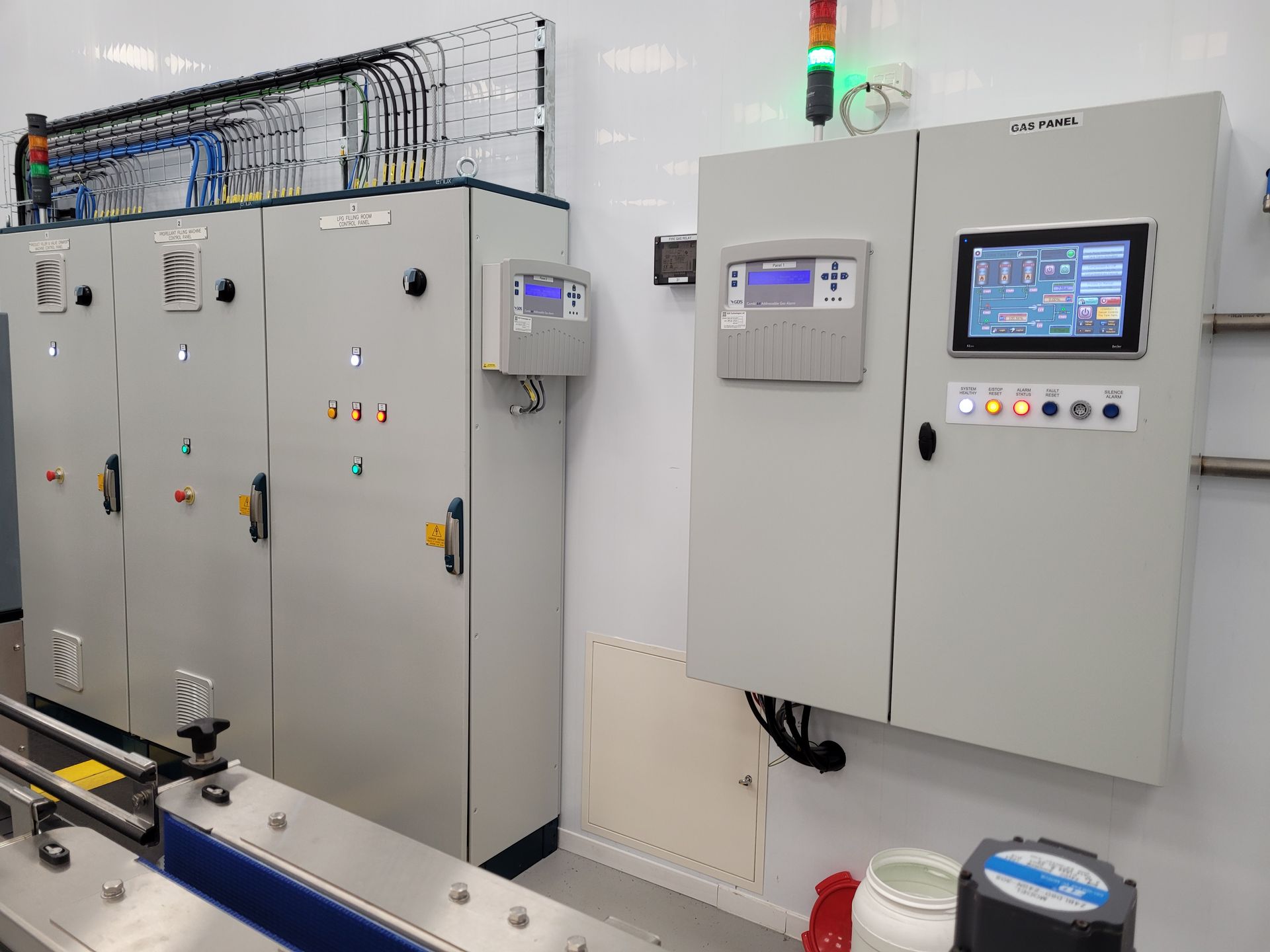
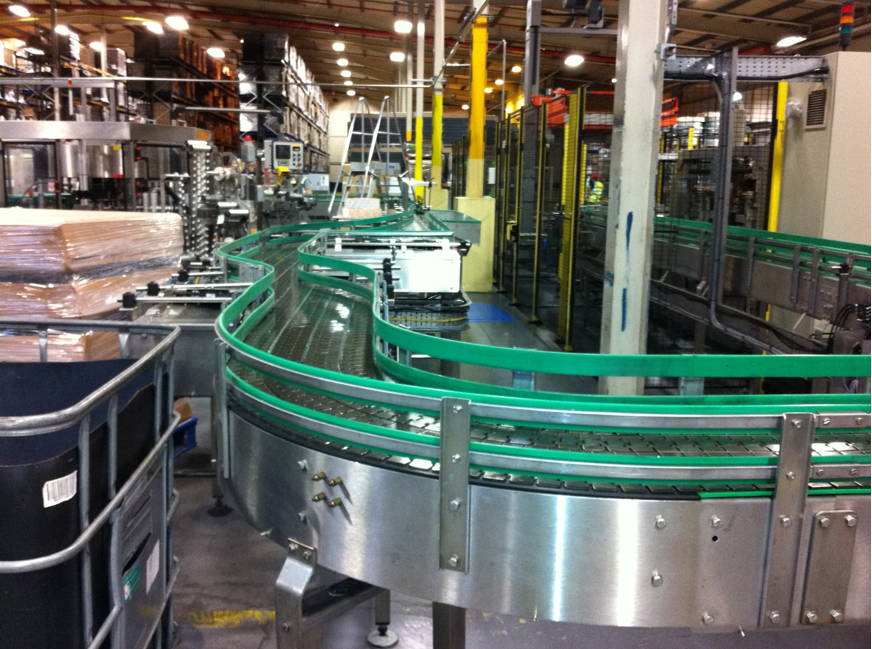
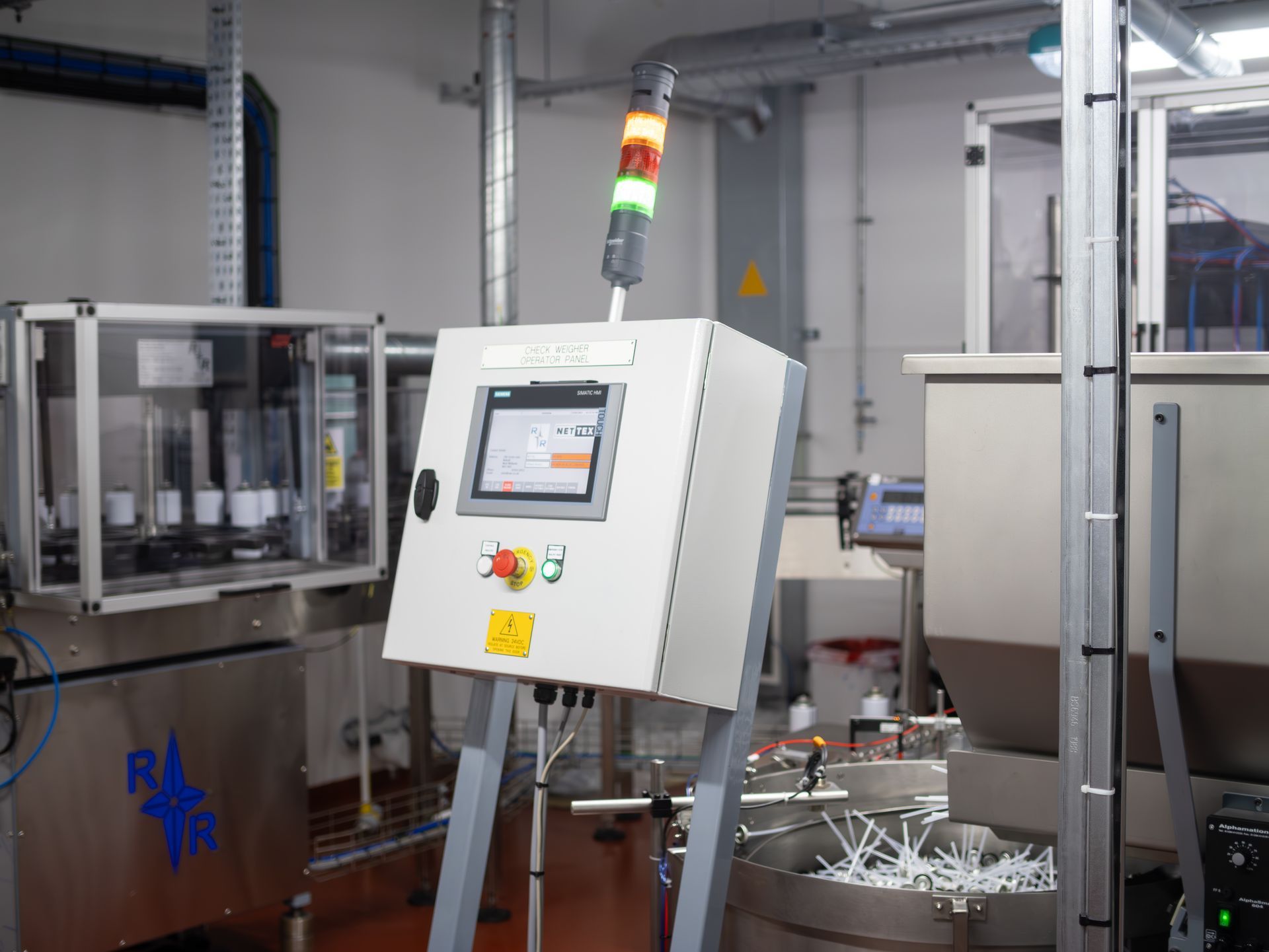
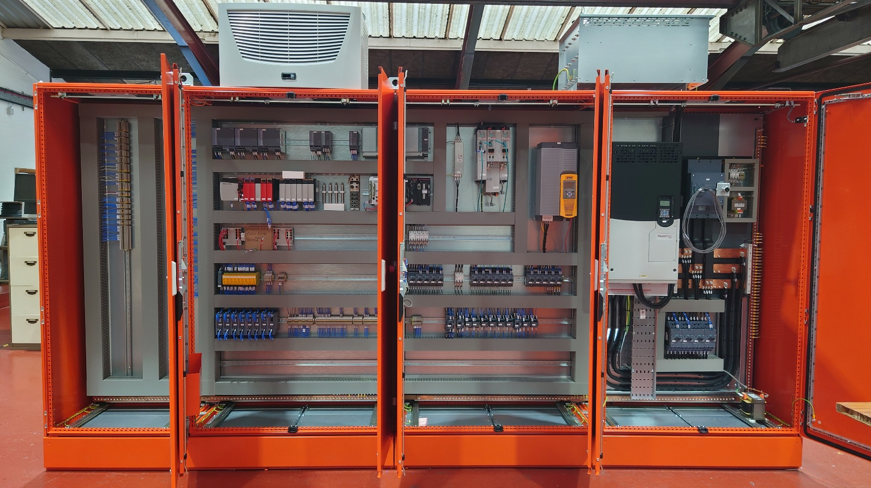
Our control panel builders may develop systems that coordinate conveyor movement, robotic equipment, sensors, and safety systems within the production line. These systems allow machines to communicate and respond automatically to changing conditions during manufacturing.
Automation allows production lines to react more quickly when materials move between stages or when adjustments are needed during operation.
How does control panel design affect productivity?
Control panel design has a direct influence on how efficiently automated systems operate.
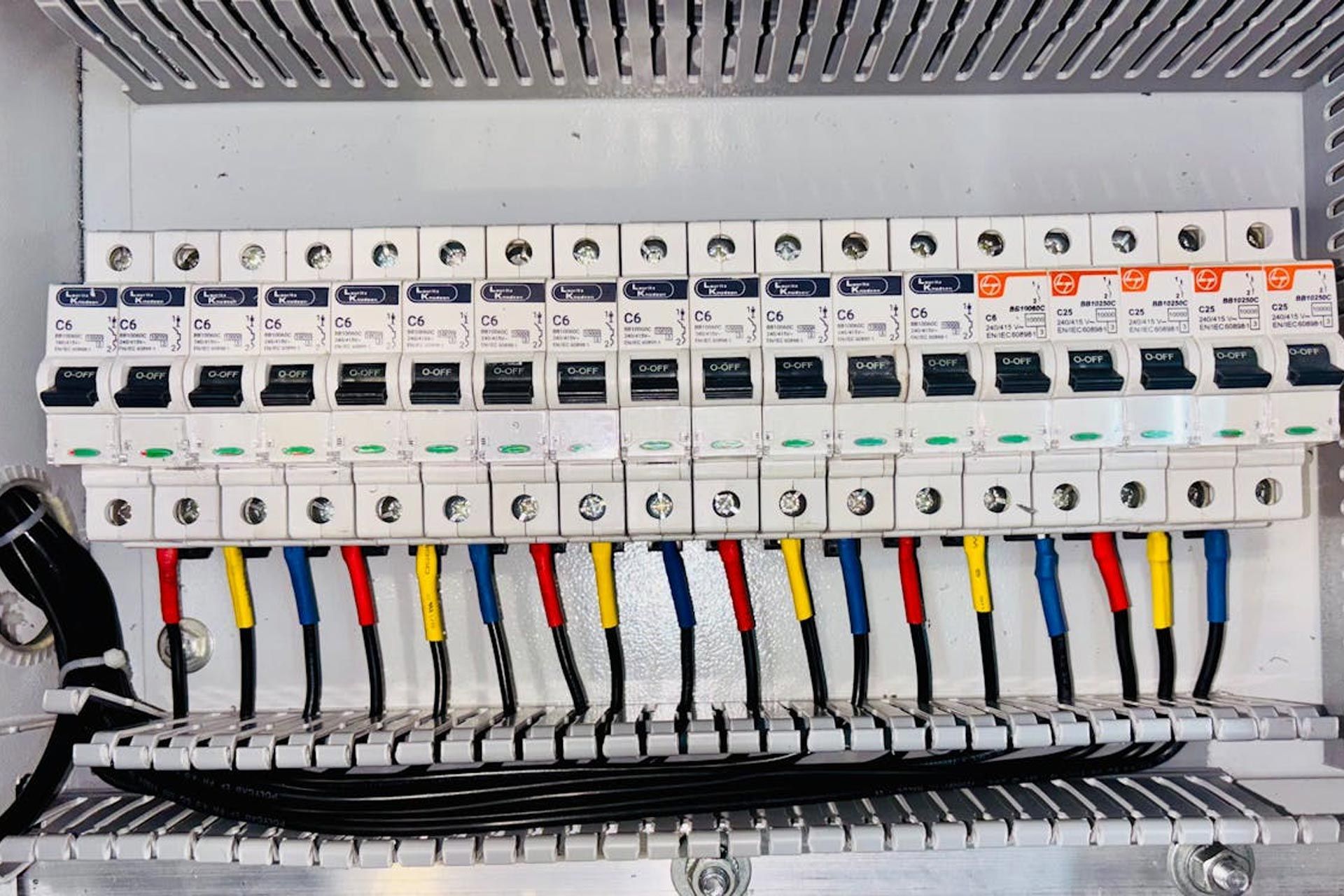
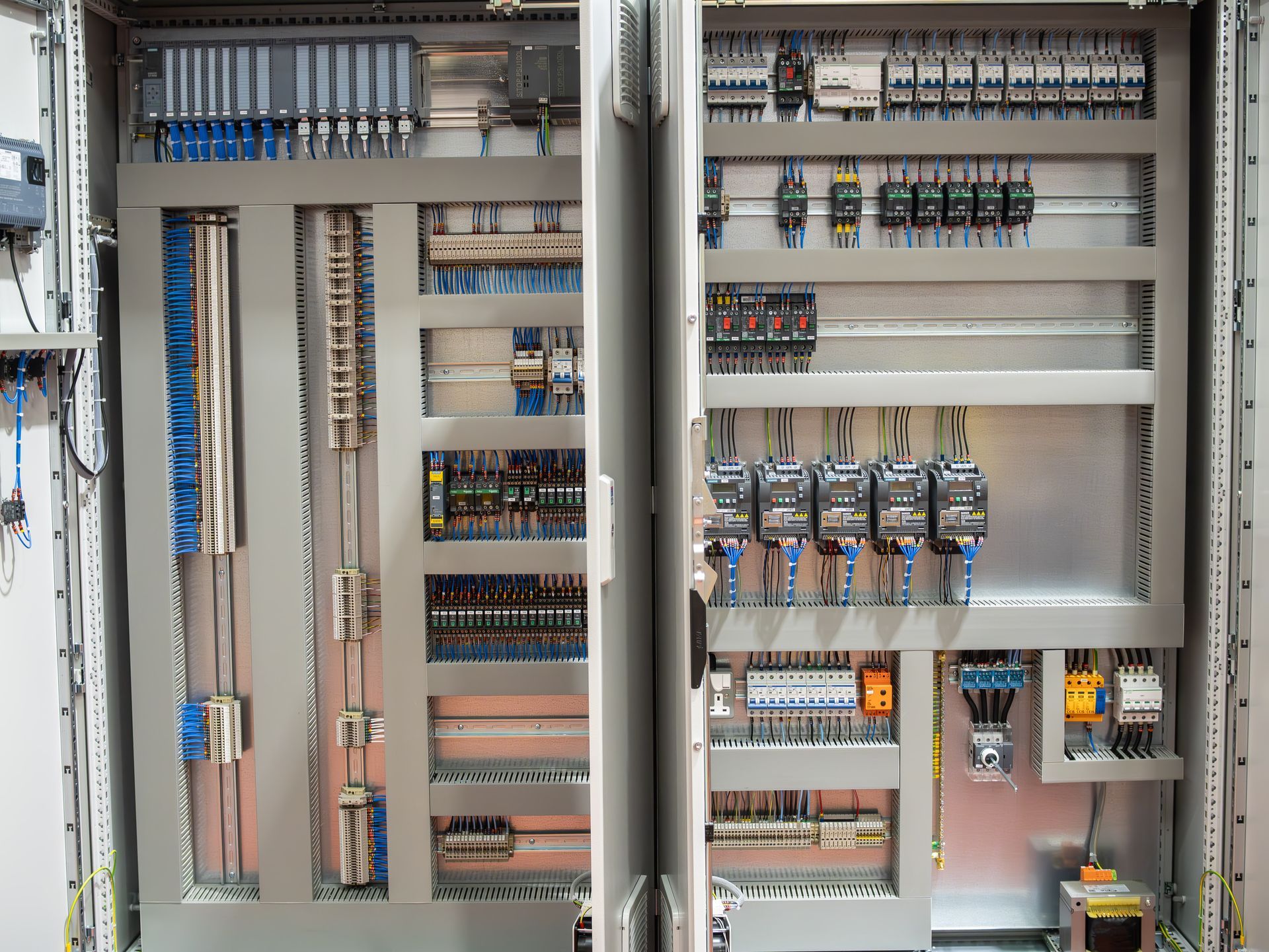
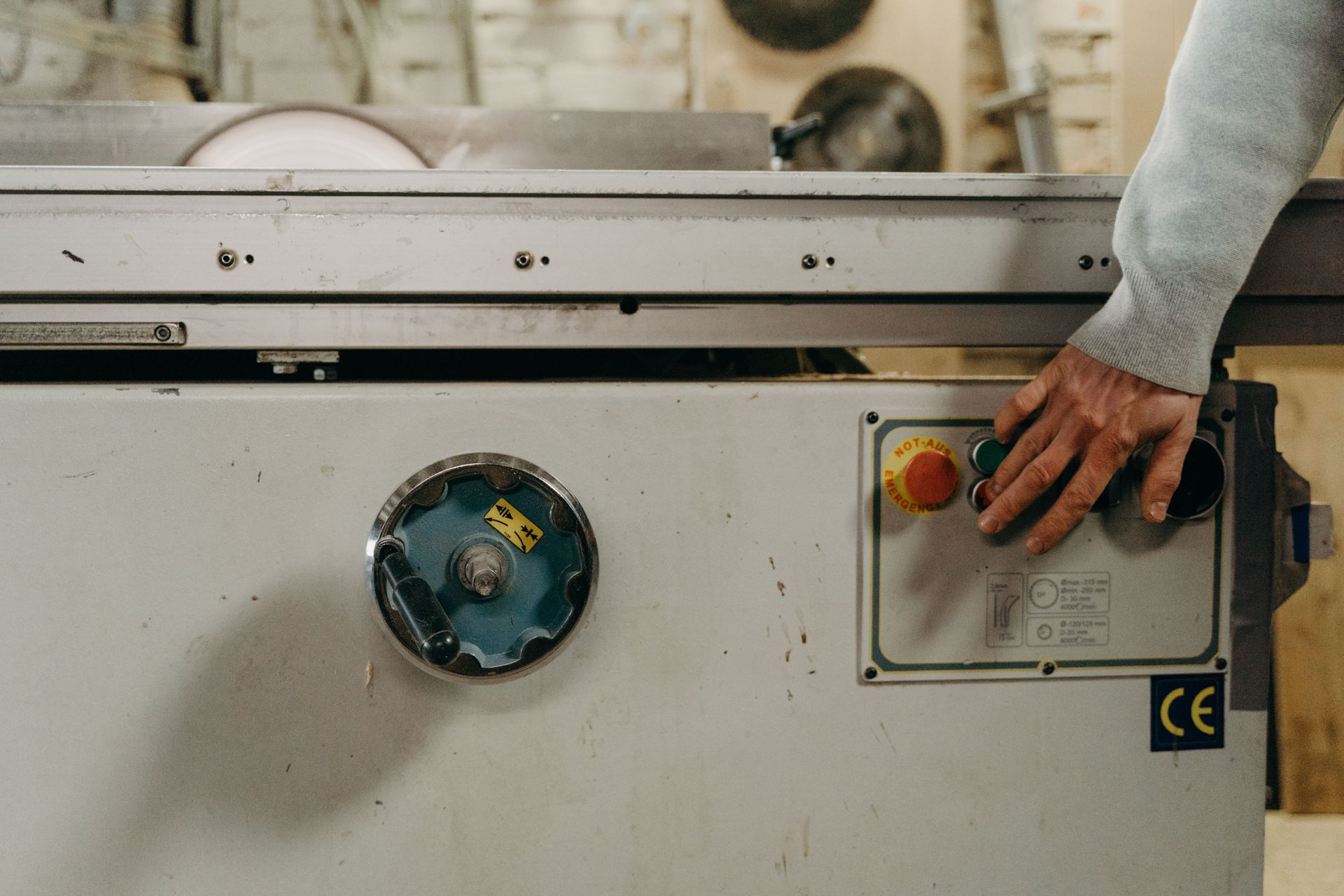
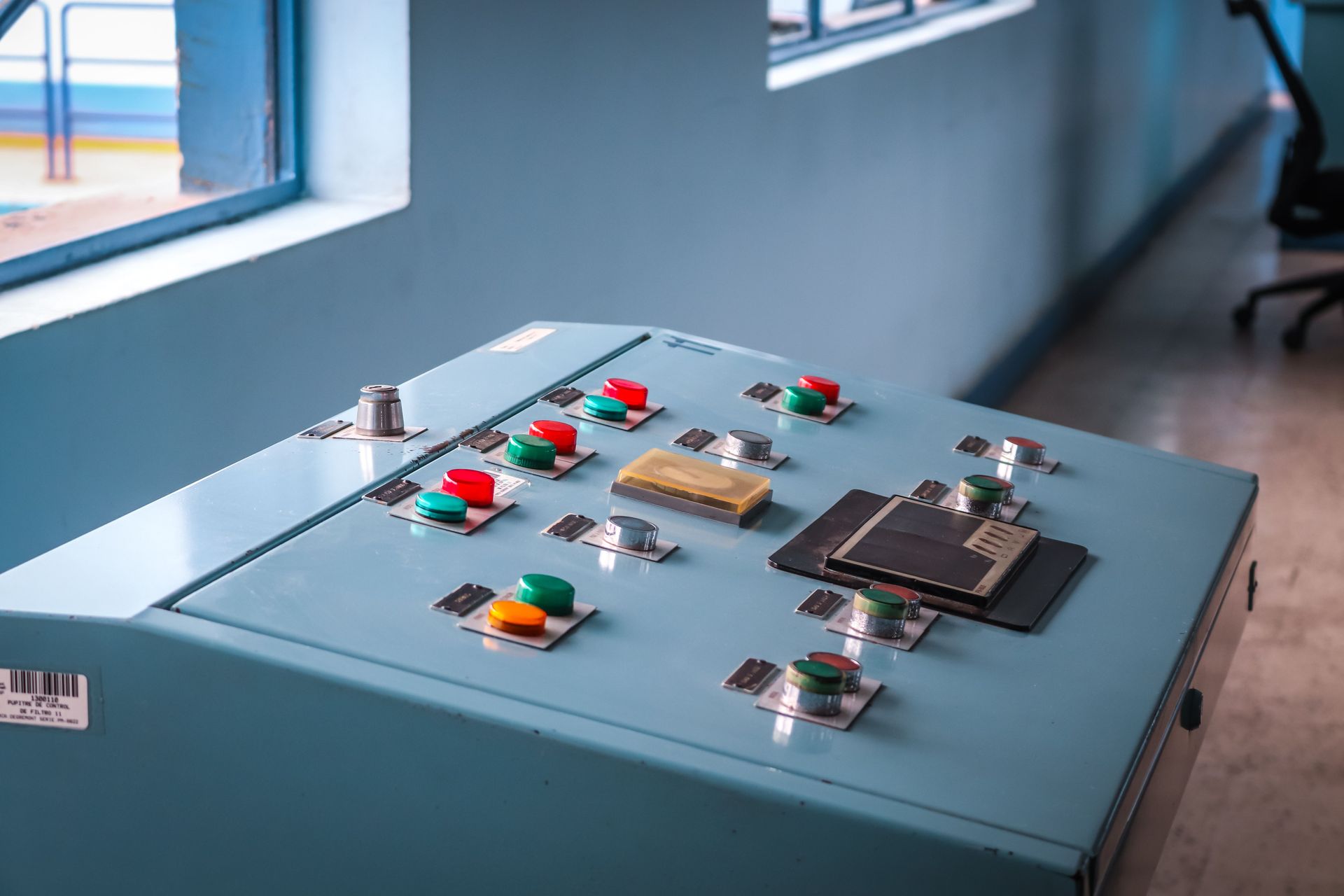
A well-planned panel layout helps engineers monitor equipment more easily, identify faults faster, and carry out maintenance with less disruption. Components also need to be positioned carefully to manage heat, accessibility, and long-term reliability.
In busy automotive environments, downtime can become expensive very quickly. Thoughtful control panel design helps reduce unnecessary interruptions by making systems easier to maintain and troubleshoot.
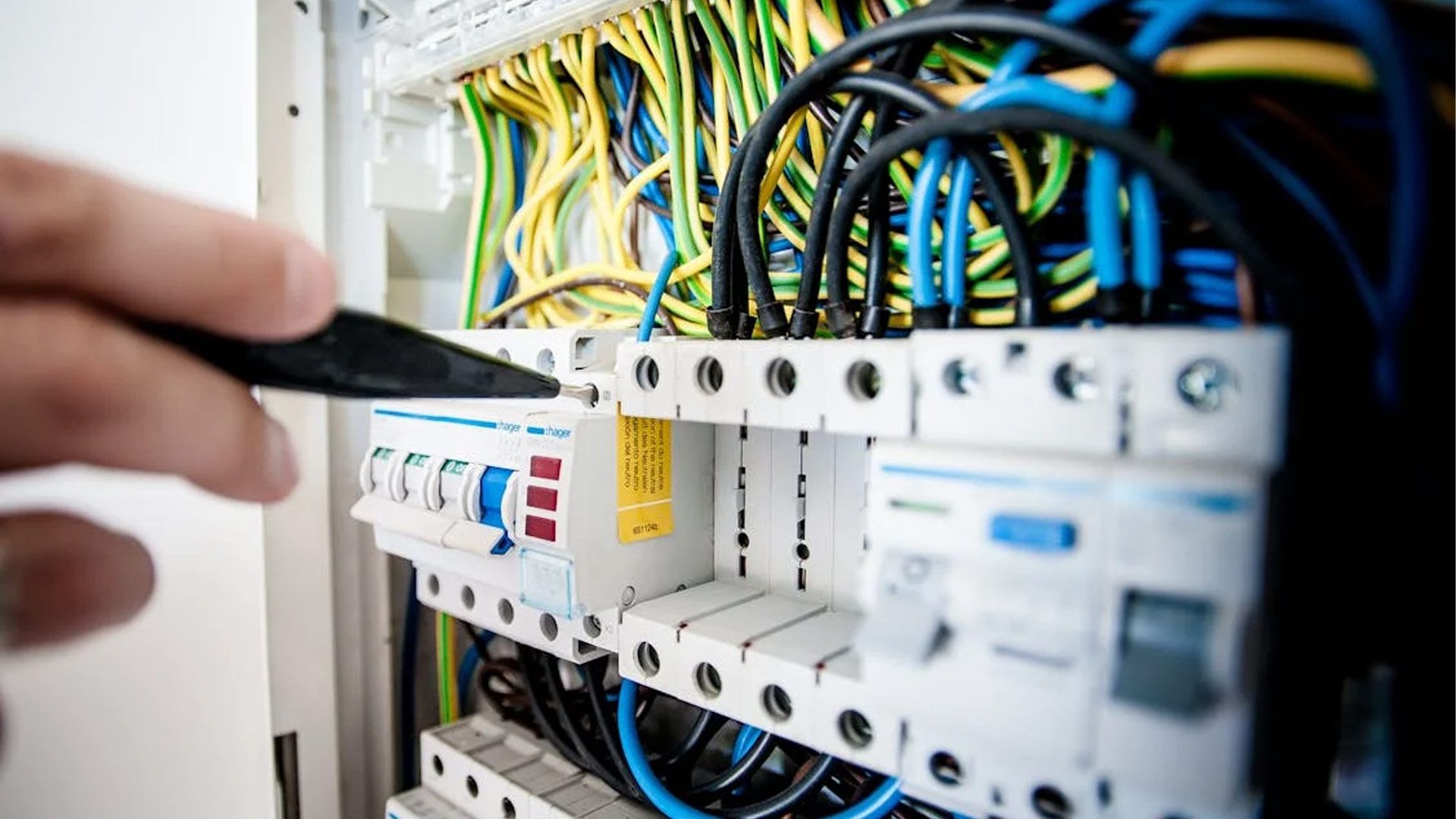
For example, clearly labelled wiring and organised layouts can significantly reduce the time needed to identify faults during maintenance work.
How does automation improve product consistency?
Automotive manufacturing often involves extremely tight tolerances. Components need to align correctly, welds must remain consistent, and assembly sequences have to follow precise timings.
Automated systems help maintain this consistency because programmed movements are repeated accurately across every production cycle.
This becomes particularly important in areas such as robotic welding, painting, and assembly, where even small variations may affect the final quality of the vehicle or component.
From an operational perspective, consistent output also reduces waste and rework, helping manufacturers maintain production targets more effectively.
How does automation support worker safety?
Automation is often introduced in areas involving repetitive strain, heavy lifting, or potentially hazardous environments.
Robotic systems can handle tasks such as lifting vehicle components, operating in high heat areas, or carrying out repetitive assembly actions for long periods. This reduces some of the physical strain placed on employees.
At the same time, automated systems still rely on human oversight. Operators, maintenance teams, and engineers continue to play an important role in monitoring equipment and responding when adjustments are needed.
In practice, automation tends to change the type of work being carried out rather than removing people from the process entirely.
Why is flexibility becoming more important in automotive automation?
Vehicle manufacturing is changing quickly, particularly as manufacturers adapt to electric vehicles, changing supply chains, and shifting production demands.
Automated systems increasingly need to support flexibility as well as efficiency. Production lines may need to switch between models more frequently or accommodate new assembly methods without major redesigns.
This is where adaptable control panel design becomes valuable. Systems that are easier to modify or expand can help manufacturers respond more effectively as production requirements evolve over time.
How does automation reduce operational delays?
Delays within automotive production often affect more than one stage of the line. A fault in one area may slow down assembly further downstream.
Automated monitoring systems help identify problems earlier by tracking equipment performance continuously. Sensors and control systems can alert operators to faults, pressure changes, or equipment issues before larger stoppages occur.
For manufacturers, this earlier visibility helps maintenance teams respond more quickly and reduce unplanned downtime.
Automation supports productivity because it improves consistency, coordination, and operational visibility across complex manufacturing environments.
As automotive production continues to evolve, manufacturers are increasingly relying on integrated systems, carefully planned control panel design, and experienced control panel builders to help maintain efficient and adaptable operations.
Over time, these systems help production environments remain reliable while supporting the changing demands of modern vehicle manufacturing.
Why is automation important in automotive manufacturing?
It helps improve consistency, productivity, and operational efficiency across production lines.
What does a control panel builder do?
A control panel builder designs and assembles systems that control automated machinery and industrial processes.
How does control panel design affect manufacturing?
Well planned control panel design helps improve reliability, maintenance access, and fault finding.
Can automation improve worker safety?
Automation can reduce exposure to repetitive or physically demanding tasks in manufacturing environments.
Does automation reduce downtime?
Automated monitoring systems can help identify faults earlier and support faster maintenance responses.